The true State of the Nation: Warring dynasties fight for survival at the expense of the people
On 28 July, President Bongbong Marcos Jr. will deliver his fourth State of the Nation Address (SONA). What makes this SONA particularly significant is that it comes after his administration slate’s disappointing result at the 2025 mid-term election.
As many political observers and analysts have noted, the firm rebuke of the Marcos Jr. administration at the mid-term polls has been linked linked to the ongoing cost of living challenges beleaguering many Filipinos under his government. Past the midway point of his term, Filipinos suffer from joblessness, stagnating wages and food prices that are still high following a period of high inflation.

It would be overly optimistic to expect President Marcos to acknowledge these concerns in his SONA. Sitting presidents rarely admit to their own shortcomings during the most politically significant event of the calendar, outside of an election year.
What can be expected instead is for the President to trumpet his administration’s piecemeal reforms – band-aid measures that have had negligible practical impact on the lives of ordinary Filipinos. And of course, Marcos Jr. will embellish his speech with quixotic promises that will supposedly address the very issues at hand.
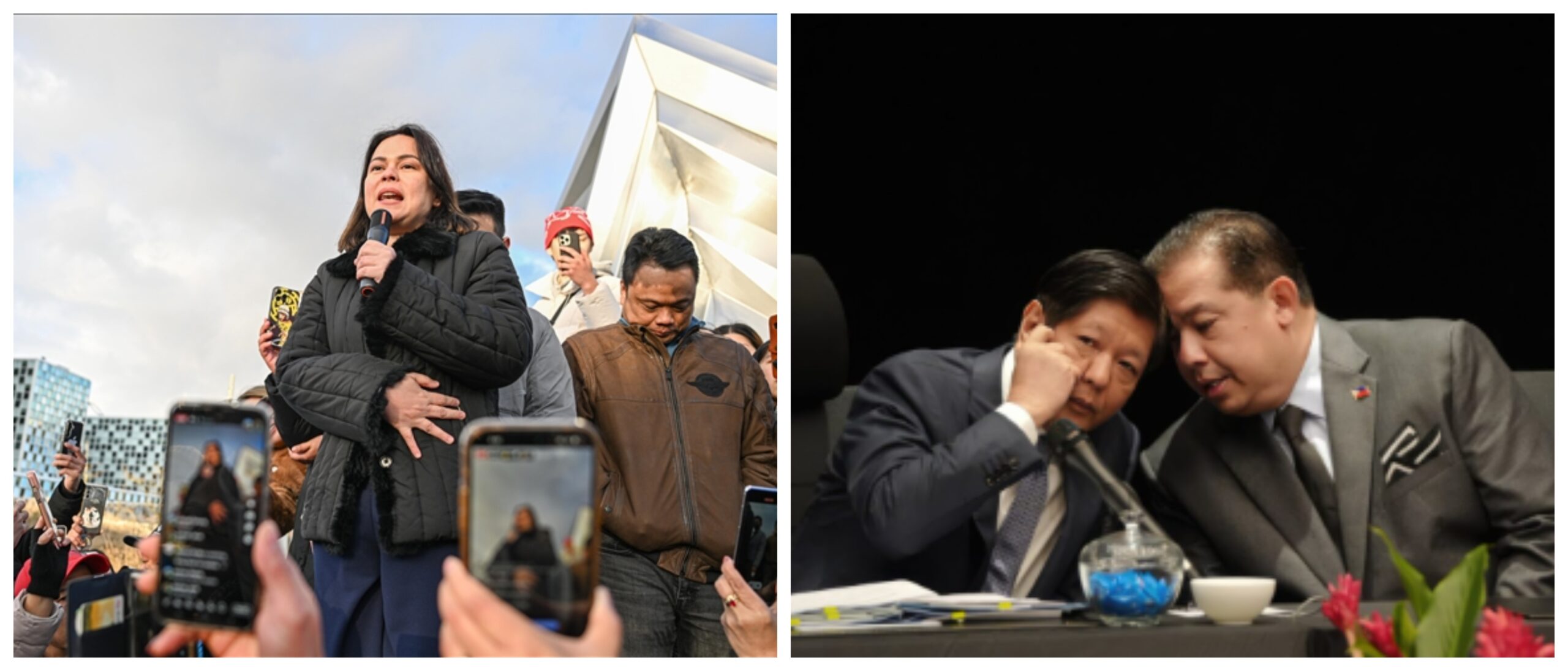
The elephant in the room however, will most likely not be addressed. The deepening feud between Marcos and Vice President Sara Duterte continues to shape present-day Philippine politics – even at the cost of ameliorating those aforementioned societal issues.
Despite running as a tandem in the 2022 general elections, the so-called “UniTeam” of Marcos and Duterte has crumbled – culminating in the arrest of the Vice President’s father, Rodrigo Duterte, last March by the Interpol. From forming an alliance three years ago, the two political families are now hell-bent on erasing the other from Philippine politics.
Such desperation to obliterate the opposing camp even led to what was called the “most corrupt budget in [Philippine] history“, which was the 2025 General Appropriations Act. It earned that moniker after significant cuts were made from education and agriculture in favor of exorbitant allocations towards highly-localized, “pet projects” for lawmakers – a phenomenon colloquially known as “pork barrel”.

The endowment of large sums of pork was by design, and directly linked to the Marcos camp’s attempts to eliminate Duterte. It was glorified “bounty” for members of the House of Representatives to oversee the impeachment of the Vice President, which indeed transpired last February when more than one-third of the House voted to impeach Sara Duterte.
In exchange for hefty allocations for dubious public works projects and vague cash transfer programs in the districts of these members of Congress, deep cuts were made on key social services: ₱10 billion was slashed from classroom digitalization, funding for tertiary education was cut in half, and the Department of Transportation (DOTr) saw its budget reduced by ₱93 billion.
Most egregious of all, a ₱74 billion government injection into state-run health insurance company, PhilHealth, was removed. Marcos defended the decision to give a zero subsidy to the state insurer, citing its ₱600 billion reserve funds, but this decision only imperils PhilHealth’s ability to be resilient if indigent patients fail to make premium payments.
Amid the multitude of social problems confronting the Filipino people, the Marcos administration diverted funds from key public services to bankroll its political offensives against VP Duterte. Such actions reveal not a commitment to ease people’s burdens, but a desperation to cling on to power.
As expected, the Duterte camp jumped on the criticisms raised by genuinely concerned members of society over the daylight robbery taking place. It soon became evident, however, that their ultimate aim was not simply to oppose corruption, but to unseat Marcos Jr. and his allies in order to pave the way for VP Duterte’s return to power.
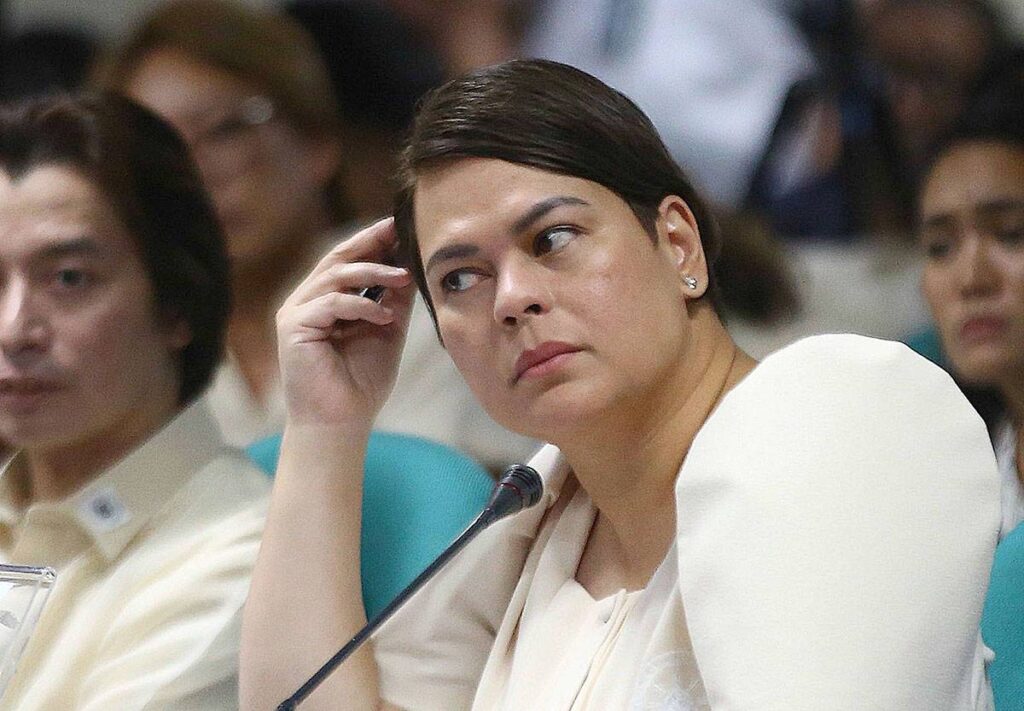
That’s not to say there is no basis to impeach Sara Duterte as Vice President. The one-time presidential daughter has shown her reticence to face scrutiny, refusing to explain how her office spent large sums of taxpayer funds even after being given ample opportunity to do so.
The Office of the Vice President (OVP) under Duterte spent 16 million in only eleven days to pay for safe houses; why their office needed safe houses and why the cost was so grand could not be answered by the Vice President. Under her watch as education chief, the Department of Education (DepEd) spent 15 million for Youth Leadership Summit (YLS) courses; despite the fact that the Armed Forces of the Philippines (AFP) shouldered the full expense of that program.
How those agencies under Duterte spent its budget certainly deserves scrutiny. However, the Marcos Jr. administration and its allies in Congress exploited the opportunity to erode Sara Duterte’s approval rating instead.
As both sides trade offensives, the Filipino people continue to languish in a high cost of living. Quality jobs remain scarce, while existing employment opportunities offer low wages. Foreign investors continue to bypass the country, dissuaded by its tense political climate and persistent infrastructure gaps.
Therein lies the true State of the Nation in 2025: as Filipinos suffer from a myriad of issues, their leaders are too distracted with political infighting to provide any relief. As Marcos Jr. delivers his fourth SONA speech, he may make promises to improve the lives of his citizens – and he may very well deliver on those pledges too.
The issue however, is that such commitments will be made against the backdrop of outmaneuvering his rivals in the Duterte camp, rather than from an authentic resolve to serve the people.